
BetterHelp Examines Wedding Season Pressure and Its Potential Strain on Relationships
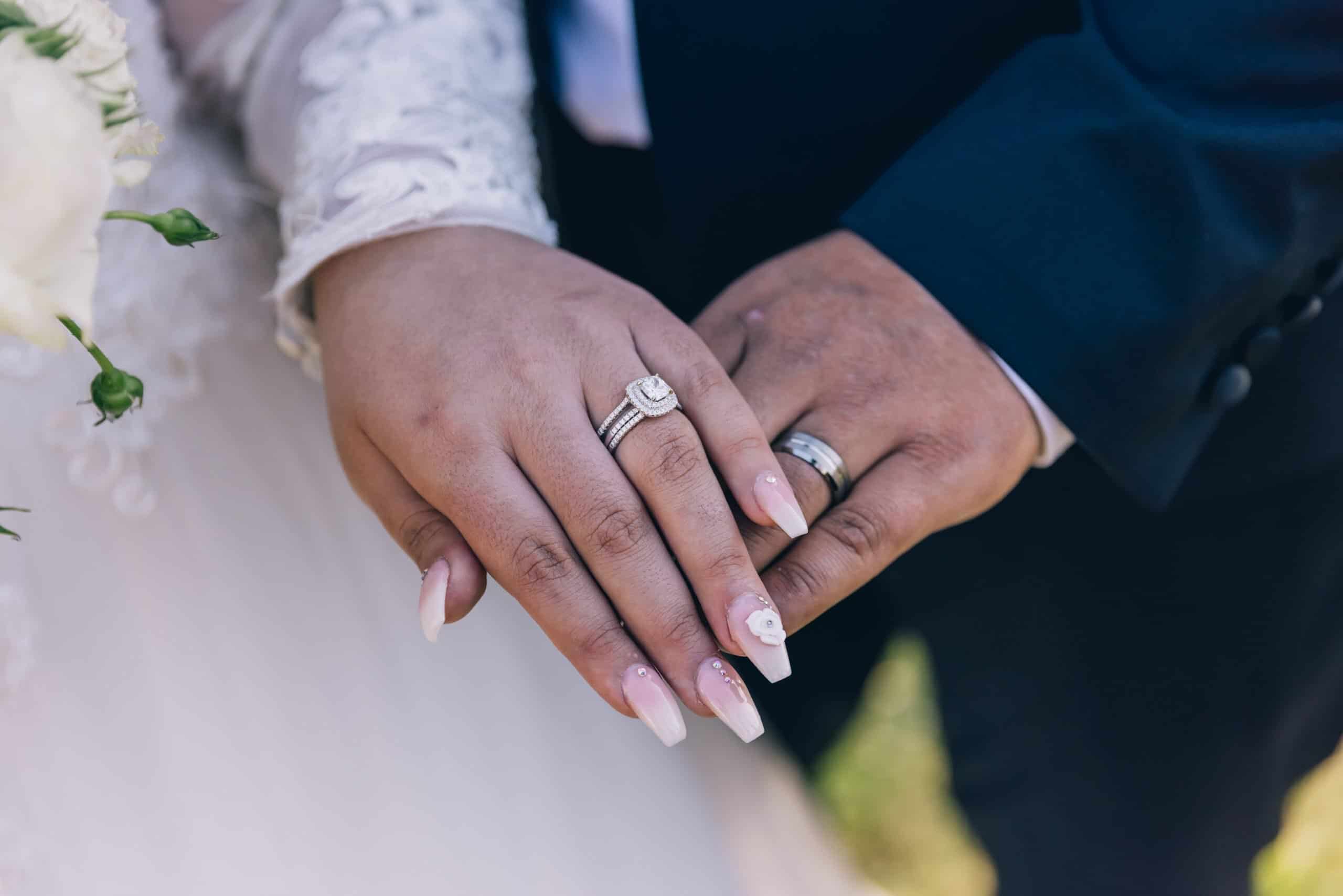
Summer is high season for weddings. Peak wedding months stretch from May through October, and roughly 76% of U.S. weddings fall inside that window, with the country hosting around two million ceremonies a year. The celebrations are joyful, yet the season also functions as a kind of stress test for relationships. Invitations, engagements, and highlight reels arrive in clusters, and the pressure they generate reaches couples and singles alike. A closer look at that pressure, and at how support such as BetterHelp can help people navigate it, reveals a more complicated picture than the photos tend to suggest.
The Season That Puts Love on Display
Few life events are as public as a wedding. Guests travel, families gather, and social feeds fill with staged proposals and destination ceremonies for months on end. That visibility can be a source of joy, and it can also turn private relationships into objects of comparison and commentary. The scale of the industry adds to the intensity, with the average American wedding now costing tens of thousands of dollars and carrying expectations to match.
The concentration of all this into a few summer months matters. Attending several weddings in a single season, or planning one while attending others, keeps the topic of commitment constantly in view. People already wrestling with questions about their own relationships may find that the steady drumbeat of celebration amplifies feelings that might otherwise stay quiet, and the effect can build week after week across the calendar.
When Comparison Creeps In
Comparison is perhaps the most common strain the season produces. Couples measure their relationship against curated versions of other people’s, and singles field questions about when their own turn will come. Neither comparison tends to be fair, since a wedding captures one polished day rather than the ordinary, unglamorous work of a partnership.
Social media sharpens the effect. A feed full of engagements and anniversaries can leave a viewer feeling behind, regardless of how their life is actually going. Singles often absorb the pressure as unsolicited advice and pointed questions at the reception table, delivered with more curiosity than tact. Couples may feel it as a quiet worry that their relationship should look or feel different than it does, measured against a standard that no real relationship consistently meets. Recognizing comparison as a distortion, rather than a verdict, is often the first step toward loosening its grip.
Doubts, Jitters, and the Difference Between Them
Not all pre-wedding anxiety is created equal, and telling the difference can matter a great deal. Ordinary jitters, meaning nerves about logistics or being the center of attention, are common and usually harmless. Deeper doubts about the relationship itself are a different signal. A UCLA study that followed 232 newlywed couples found that wives who reported premarital doubts were about two and a half times more likely to divorce within four years, and that spouses with doubts who stayed married reported lower satisfaction. The researchers described such doubts as common but, in their words, “not benign.”
The takeaway was not that couples should call off a wedding at the first flicker of uncertainty. It was that misgivings deserve attention rather than dismissal. Talking through what is driving a doubt, ideally well before the ceremony, tends to serve a relationship better than assuming the feeling will simply evaporate once the day arrives.
Family Tension Around the Guest List
Weddings also have a way of surfacing family dynamics that stay dormant the rest of the year. Guest lists, seating charts, and budgets force decisions about who matters, who pays, and whose traditions take precedence. Blended families, divorced parents, and differing cultural or religious expectations can turn simple logistics into loaded negotiations that leave everyone feeling raw.
Money often sits at the center of the friction. When parents contribute financially, they may expect a say in the plans, and couples can feel caught between gratitude and the wish to make their own choices. Setting boundaries in these situations is delicate work. It means honoring relationships that matter while protecting the couple’s ability to decide what their day, and by extension their marriage, will look like.
Communication Strategies That Help
Most wedding-season strain responds to the same fundamentals that support any healthy relationship: clear, respectful communication. Naming a feeling directly, rather than hinting at it or letting resentment quietly accumulate, gives a partner something concrete to respond to. Listening to understand instead of to rebut, and taking a short break when a conversation overheats, keep disagreements from hardening into standoffs that outlast their cause.
These are learnable skills, and they form much of what couples counseling teaches. Approaches such as emotionally focused therapy and the Gottman method help partners recognize their patterns, repair after conflict, and express needs without blame. For an engaged couple, practicing these habits before the wedding can build a foundation that outlasts the celebration and carries into the years that follow it.
How Therapy Supports Relationship Health
When comparison, doubt, or family conflict starts to feel unmanageable, professional support offers a place to sort it out. BetterHelp connects individuals with licensed therapists for one-on-one work, which can help a single person navigate dating pressure or an engaged partner examine a nagging doubt in a setting built for candor. Couples who want to work together can do so through BetterHelp’s partner platform, Regain, where therapists offer the relationship-focused approaches described above.
Flexibility is part of the appeal during a crowded season. Clients can meet by video, phone, or live chat, and exchange asynchronous messages with their therapist between sessions whenever a spare moment appears. That structure fits the packed calendars summer tends to produce. Online therapy is not designed for every situation, however. Anyone facing abuse or an immediate safety concern needs specialized or emergency help rather than a scheduled session, and matching that need to the right resource comes first. If you require immediate assistance, please call the National Domestic Violence Hotline: Call 1-800-799-7233 or text “START” to 88788.
Wedding season will always carry a certain amount of pressure, built as it is around one of life’s larger commitments. The comparison, the doubts, and the family friction are predictable features of the summer rather than signs that something has gone uniquely wrong. Approached with steady communication and, when useful, support from services like BetterHelp, the season can become less a test to survive and more a prompt to tend to the relationships that matter most.
Free Wedding
Giveaways + Sweepstakes
Enter sweepstakes & giveaways and enter to win a free honeymoon when you join. New winners are announced every week!