
Wedding Traditions of Different Countries: from China to Brazil
Weddings are universal celebrations of love, but the way they’re celebrated varies widely from one country to another. From elaborate ceremonies in Asia to lively festivities in South America, each culture has its own unique customs that reflect deep-rooted traditions and values. Understanding these practices can be incredibly meaningful, especially for couples in international relationships.
In today’s world, people often meet partners from other countries—sometimes through travel, sometimes through global dating platforms like Brides-Catalog.com. When love crosses borders, weddings become beautiful blends of cultures, where each tradition has its own story to tell.
Why Wedding Traditions Matter in Cross-Cultural Love
Wedding traditions aren’t just for show—they carry emotional and symbolic significance. They often represent respect for elders, blessings for the future, and the union of not only two people but also two families. In cross-cultural relationships, participating in your partner’s traditions is a gesture of love and respect that builds stronger connections.
- Chinese Wedding Traditions
Chinese weddings are rich in symbolism, often centered around themes of prosperity, happiness, and family honor.
- Tea Ceremony – The bride and groom serve tea to their parents and elders as a sign of gratitude and respect.
- Red Color Symbolism – Brides often wear a red Qipao, symbolizing luck and joy.
- Gift Exchanges – Families exchange gifts such as gold jewelry and red envelopes with money.
- Banquets – Multi-course meals with symbolic dishes, often lasting for hours.
Table – Key Chinese Wedding Elements
| Element | Meaning | When It Happens |
| Tea Ceremony | Respect to elders | Wedding morning |
| Red dress (Qipao) | Luck, happiness | Ceremony & photos |
| Banquet | Prosperity, unity | After ceremony |
- Indian Wedding Traditions
Indian weddings are vibrant, colorful, and often last several days.
- Mehndi Ceremony – Intricate henna designs applied to the bride’s hands and feet.
- Saptapadi (Seven Steps) – The couple takes seven steps around a sacred fire, each representing a vow.
- Baraat – Groom arrives in a festive procession with music and dancing.
- Multiple Days of Celebration – Weddings can last from 3 to 7 days with various rituals.
Quick Facts
- Colors: Gold, red, and orange are dominant.
- Music: Traditional drums mixed with Bollywood hits.
- Japanese Wedding Traditions
Japanese weddings often blend Shinto customs with modern elements.
- Shinto Ceremony – Held in shrines with priests performing purification rituals.
- San-san-kudo Ritual – Couple shares three cups of sake, binding their families together.
- Traditional Attire – Brides wear a white kimono (shiromuku), grooms a hakama.
- Italian Wedding Traditions
Italy is known for its romantic and joyful weddings.
- La Serenata – Groom sings to the bride under her window the night before the wedding.
- Confetti & Sugared Almonds – Represent health, happiness, and fertility.
- Cutting the Tie – Guests buy small pieces of the groom’s tie for good luck.
- Wedding Traditions in Peru
Peruvian weddings combine Catholic and Andean traditions.
- Wedding Coins – The groom gives the bride coins symbolizing shared wealth.
- Folk Music – Traditional bands play lively tunes for dancing.
- Cultural Drinks – Chicha and pisco cocktails are served.
- Wedding Traditions in Ukraine
Ukrainian weddings are deeply symbolic and community-centered.
- Rushnyk Ceremony – The couple stands on an embroidered towel for blessings.
- Bread & Salt Greeting – Parents welcome the couple with symbolic food.
- Vyshyvanka Dresses – Brides may wear embroidered dresses.
- Wedding Traditions in Mexico
Mexican weddings are joyful, music-filled events.
- Lazo Ritual – A lasso or rosary is placed over the couple to represent unity.
- Mariachi Music – Bands play during the ceremony and reception.
- Fiesta-Style Reception – Colorful decorations and dancing fill the night.
- Hungarian Wedding Traditions
Hungarian weddings are full of rich customs that blend romance, symbolism, and a touch of humor. Here are some of the most notable traditions:
- Bride’s Dance (Menyasszonytánc) – At midnight, guests form a circle and dance with the bride after placing money in her purse or plate. This symbolizes contributing to the couple’s new life together.
- Kidnapping the Bride – Friends of the groom may “kidnap” the bride during the reception, and the groom must complete fun challenges or pay a symbolic ransom to win her back.
- Red Dress After Midnight – In many regions, the bride changes into a red dress after midnight, symbolizing her transition from a bride to a wife.
- Bread and Salt Ceremony – Some couples include a blessing with bread and salt, representing prosperity and resilience in marriage.
- Traditional Folk Music and Dancing – Live folk bands and dances like the csárdás add authentic Hungarian charm to the celebration.
- Brazilian Wedding Traditions
Brazilian weddings are lively, passionate, and full of music.
- Matching Gold Rings – Worn on the right hand before marriage, moved to the left after.
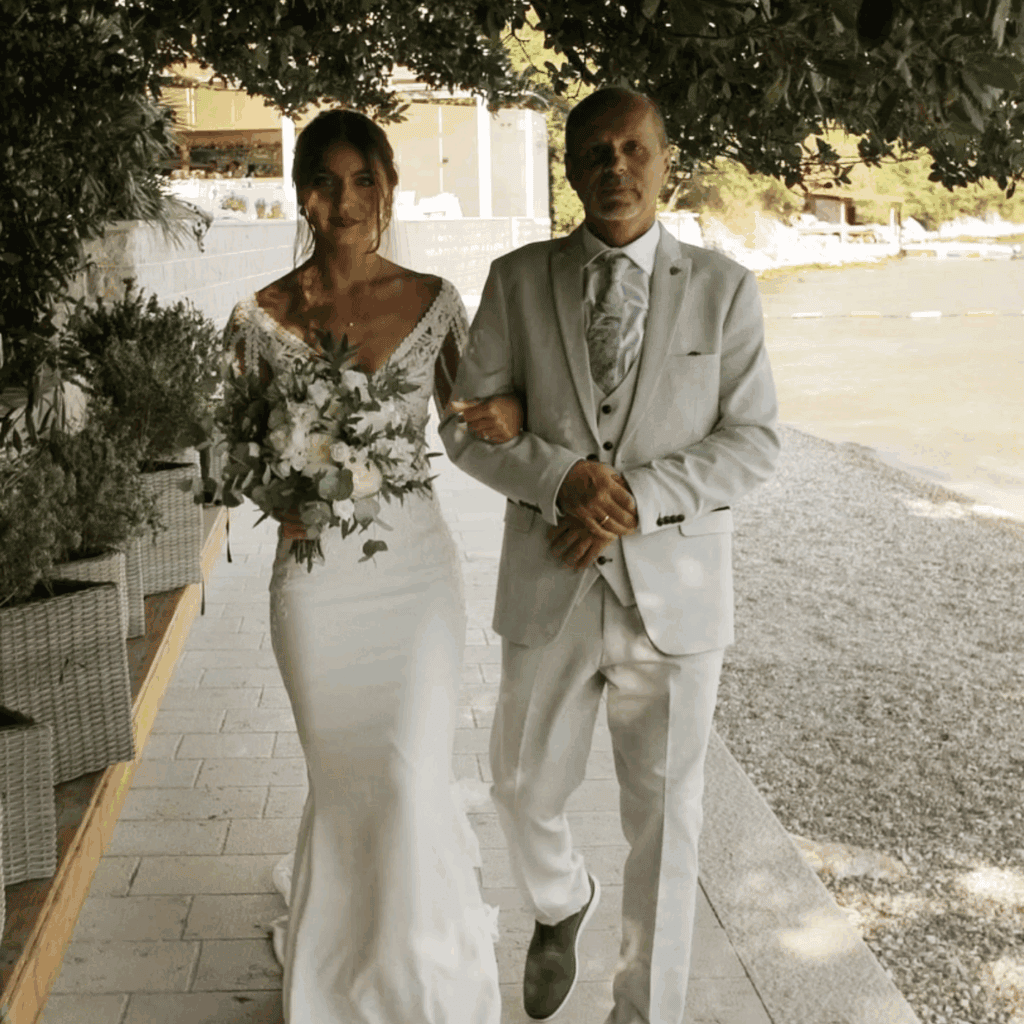
- Wedding Entrance – Bride usually walks down the aisle with her father.
- Dancing Until Dawn – Samba music and high-energy parties are common.
Comparison Table of Wedding Customs
| Country | Religious Influence | Signature Tradition | Typical Attire | Main Symbolism |
| China | Traditional/Confucian | Tea ceremony | Red qipao | Luck, family honor |
| Italy | Catholic | Throwing rice over the couple | White gown & formal suit | Fertility, good fortune |
| Hungary | Catholic/folk | Bride kidnapping game | Traditional embroidered dress | Joy, community bonding |
| Japan | Shinto/Buddhist | San-san-kudo (sake-sharing ritual) | White kimono & uchikake robe | Unity, respect for ancestors |
| India | Hindu/Muslim/Sikh | Seven steps around the sacred fire | Colorful saree or lehenga | Commitment, eternal love |
| Brazil | Catholic | Dancing until sunrise | White gown | Joy, unity |
| Peru | Catholic/Andean | Wedding coins | Colorful shawls | Prosperity |
| Ukraine | Orthodox | Rushnyk ceremony | Vyshyvanka dress | Family blessing |
| Mexico | Catholic | Lazo ritual | White dress | Eternal bond |
Wedding Costs Around the World
| Country | Average Cost (USD) | Notes |
| China | $12,000 – $40,000 | Banquets & gold jewelry increase cost |
| India | $10,000 – $60,000 | Multi-day events raise expenses |
| Japan | $25,000 – $40,000 | Venue rentals are main expense |
| Italy | $20,000 – $35,000 | Historic venues can cost more |
| Peru | $5,000–$12,000 | Traditional food & folk entertainment |
| Ukraine | $4,000–$10,000 | Affordable but rich in tradition |
| Mexico | $7,000–$15,000 | Includes church, fiesta, and music |
| Brazil | $15,000 – $25,000 | Large guest lists are common |
Tips for Attending a Wedding Abroad
- Dress the Part – Follow cultural dress codes.
- Learn Basic Phrases – Simple greetings can mean a lot.
- Choose the Right Gift – Research traditional presents in that culture.
Blending Traditions in International Marriages
Many modern couples choose to merge traditions from both sides. A Chinese tea ceremony might be followed by a Western-style reception, or Indian Mehndi designs might appear at a Brazilian samba party. These blended celebrations create unique and memorable weddings that honor both cultures.
Conclusion
Wedding traditions are windows into a culture’s heart. They reveal values, beliefs, and hopes for the couple’s future. For couples in international relationships, learning and embracing these traditions is an act of love and unity. Whether you’re marrying abroad or meeting your partner through platforms like Brides-Catalog.com, respecting and celebrating cultural customs will make your special day even more meaningful.
Free Wedding
Giveaways + Sweepstakes
Enter sweepstakes & giveaways and enter to win a free honeymoon when you join. New winners are announced every week!